
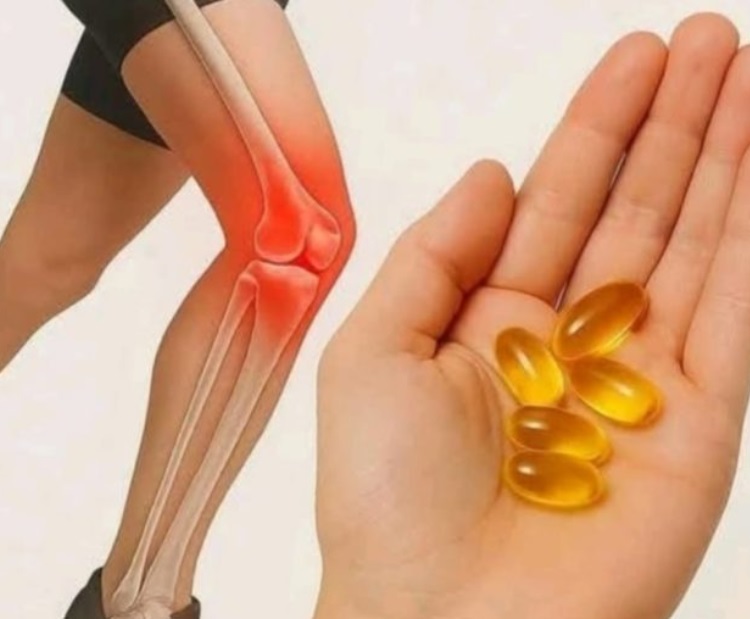
Some pains arrive without warning. You wake up with aching legs, or notice your bones feel more fragile than they used to — and there’s no obvious injury to blame. It often feels like the body is trying to communicate something, and sometimes it actually is.
Vitamin D and What Happens When You Don’t Have Enough
Bone pain, especially in the legs, is one of the more common signs of vitamin D deficiency — though it’s easy to overlook because the symptoms can seem unrelated at first. This vitamin is essential for how the body absorbs calcium. Without enough of it, bones gradually lose density and muscles can weaken in ways that are hard to pinpoint.
The symptoms don’t always look like a deficiency
Persistent dull aching in the legs or lower back, unusual muscle weakness, a general sense of fatigue — these things can each have a dozen explanations. But when they appear together, and especially when fractures happen more easily than expected, vitamin D is worth examining seriously.
Getting enough sunlight helps — around ten to thirty minutes daily on exposed arms and face, ideally outside peak hours. Oily fish like salmon and sardines, egg yolks, and fortified dairy products also contribute meaningfully. When a genuine deficiency is confirmed through a blood test, a doctor may recommend D3 supplements to restore levels.
Magnesium: The Mineral Behind Nighttime Cramps
Leg cramps that wake you up at night are uncomfortable and disorienting, and magnesium deficiency is one of the more underappreciated reasons they happen. Magnesium plays a direct role in muscle contraction and relaxation — when levels drop, muscles don’t release tension the way they should.
It also affects how other nutrients work
Low magnesium can actually interfere with how the body uses vitamin D and calcium, so even if you’re supplementing one thing, a magnesium shortfall may be limiting the effect. Dark leafy greens, nuts, seeds, legumes, and whole grains are reliable dietary sources. In my experience, people are often surprised how much a magnesium-rich diet shifts their sleep quality alongside the muscle symptoms.
Calcium: The Foundation Bones Are Built On
This one is more widely known, but still worth addressing clearly. Calcium is the primary mineral in bone tissue, and a long-term shortfall contributes to fragility, pain, and eventually conditions like osteoporosis. The body will actually pull calcium from bones to maintain blood levels — meaning deficiency damage is often slow and silent before it becomes obvious.
Dairy isn’t the only source
Milk and cheese are well-known, but calcium is also found in fortified plant milks, canned fish with soft bones like sardines, tofu made with calcium sulfate, and dark green vegetables like kale and bok choy. Absorption matters as much as intake, which brings things back to vitamin D — the two work together more than separately.
Vitamin B12 and Nerve-Related Leg Pain
Not all leg pain comes from bones or muscles. B12 deficiency can cause nerve-related symptoms — tingling, numbness, or a burning sensation in the legs and feet. This tends to happen gradually and is more common in people who follow plant-based diets, older adults, or those with digestive conditions affecting nutrient absorption.
The connection to fatigue is real
B12 is also involved in red blood cell production, so deficiency often shows up as general exhaustion alongside the physical symptoms. Animal products — meat, fish, dairy, eggs — are the primary natural sources. For those who don’t eat them, fortified foods and B12 supplements are the most reliable alternatives.
Iron and the Aching That Comes With Anemia
Iron deficiency anemia doesn’t always announce itself obviously, but one of its lesser-discussed symptoms is a heavy, achy feeling in the legs — sometimes described as restless leg syndrome in more pronounced cases. When the blood isn’t carrying oxygen efficiently, muscles feel the strain.
Absorption is the tricky part
Eating iron-rich foods helps, but pairing them with vitamin C significantly improves how much the body actually takes in. Red meat and shellfish have highly absorbable heme iron. Plant sources like lentils, spinach, and tofu contain non-heme iron, which absorbs less efficiently but still contributes when consumed consistently and paired thoughtfully.
Bone and muscle pain rarely has a single cause, and deficiencies often overlap. A blood test is the only reliable way to know what’s actually low — and that’s genuinely worth doing before reaching for supplements, since some vitamins can cause problems in excess. What the body needs is specific, and figuring that out with a doctor is a better starting point than guessing.