
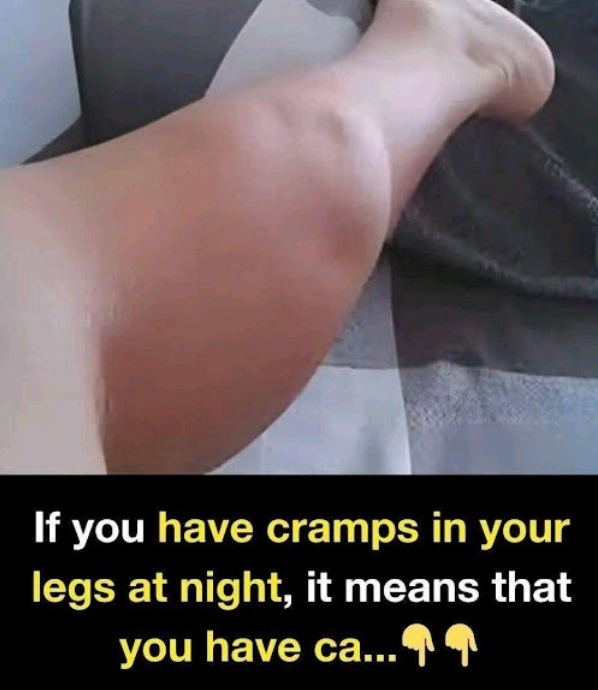
There’s nothing quite as frustrating as being jolted awake by a sudden, painful muscle cramp in the middle of the night. One minute you’re sleeping peacefully, and the next—you’re clutching your leg, waiting for the pain to pass.
Night cramps (often called nocturnal leg cramps) are surprisingly common, and while they can happen to anyone, certain people are more likely to experience them than others. Understanding who’s at risk—and why—can help you prevent them and finally enjoy uninterrupted sleep.
Let’s break it down in a simple, practical way.
What Are Night Cramps?
Night cramps are sudden, involuntary muscle contractions—usually in the calves, feet, or thighs—that occur during sleep or rest. They can last anywhere from a few seconds to several minutes and often leave lingering soreness.
Unlike conditions such as Restless Legs Syndrome, which causes an urge to move the legs, night cramps involve actual muscle tightening and pain.
Who Is Most at Risk of Night Cramps?
While anyone can experience them, some groups are much more prone than others.
Older Adults (Especially Over 50)
As we age, muscle flexibility and circulation tend to decline. This makes muscles more prone to tightening unexpectedly.
- Reduced muscle mass
- Decreased nerve function
- Less physical activity
All of these contribute to a higher risk of nighttime cramps.
Pregnant Women
Night cramps are very common during pregnancy, especially in the second and third trimesters.
Why?
- Increased pressure on blood vessels
- Changes in circulation
- Higher demand for minerals like magnesium and potassium
Most pregnant women experience calf cramps at night at some point.
Active Individuals & Athletes
If you exercise frequently or push your muscles hard, you may notice cramps at night.
Common triggers include:
Muscle fatigue
Overuse during workouts
Not stretching properly
Even something as simple as a long walk or intense gym session can lead to cramps later that night.
People Who Are Dehydrated
Not drinking enough fluids is one of the most overlooked causes of night cramps.
When your body lacks proper hydration:
- Electrolyte balance is disrupted
- Muscles become more prone to spasms
- This is especially common in hot climates or after sweating heavily.
Those with Mineral Deficiencies
Low levels of key minerals can trigger cramps:
- Magnesium
- Potassium
- Calcium
These minerals help muscles contract and relax properly. When they’re out of balance, cramps can occur more easily.
People Taking Certain Medications
Some medications are known to increase the risk of muscle cramps, including:
- Diuretics (water pills)
- Statins (used for cholesterol)
- Some blood pressure medications
If you’ve recently started a new medication and noticed more cramps, it may be worth discussing with a doctor.
Sedentary Individuals
Sitting for long periods—especially without stretching—can lead to muscle stiffness and poor circulation.
People with desk jobs or low activity levels may experience:
- Tight calf muscles
- Reduced blood flow
- Increased cramping at night
People with Certain Health Conditions
Some underlying conditions can increase the likelihood of night cramps, including:
- Diabetes
- Peripheral Artery Disease
- Kidney Disease
- Hypothyroidism
These conditions can affect circulation, nerve function, or mineral balance—all of which play a role in muscle health.
Common Triggers You Might Not Notice
Even if you’re not in a high-risk group, certain habits can increase your chances of night cramps:
- Sleeping with your feet pointed downward
- Tight bed sheets restricting movement
- Wearing improper footwear during the day
- Skipping post-exercise stretching
Small factors can add up more than you think.
How to Reduce Your Risk
The good news? Night cramps are often preventable with a few simple habits.
Stay Hydrated
Drink enough water throughout the day, especially if you’re active or live in a warm climate.
Stretch Before Bed
Focus on your calves, hamstrings, and feet. Even 5 minutes can make a difference.
Eat a Balanced Diet
Include foods rich in magnesium, potassium, and calcium like:
Bananas
Leafy greens
Nuts and seeds
Dairy products
Stay Active (But Don’t Overdo It)
Regular movement helps circulation—but avoid excessive strain without proper recovery.
Check Your Medications
If cramps started after a new prescription, talk to your healthcare provider.
Frequently Asked Questions
Are night cramps dangerous?
In most cases, no—they’re harmless but painful. However, frequent or severe cramps may signal an underlying issue.
How are night cramps different from restless legs?
Night cramps involve painful muscle tightening, while Restless Legs Syndrome causes an urge to move without severe pain.
What should I do when a cramp happens?
- Gently stretch the muscle
- Massage the area
- Stand or walk if possible
When should I see a doctor?
If cramps are:
- Frequent
- Severe
- Interfering with sleep regularly
- Accompanied by swelling or weakness
Final Thoughts
Night cramps can feel random and frustrating, but they usually aren’t without a cause. Whether it’s dehydration, muscle fatigue, or an underlying condition, understanding your personal risk factors is the first step toward preventing them.
The good news? Small lifestyle changes—like staying hydrated, stretching, and eating well—can make a big difference.
If you’ve been dealing with night cramps, you’re definitely not alone. Try a few of these tips and see what works best for your body.
And if you’ve found a trick that helps you avoid those midnight wake-up calls, share it—your experience might help someone else sleep a little better tonight