
The Beautiful Antique Object With a Surprisingly Practical Purpose
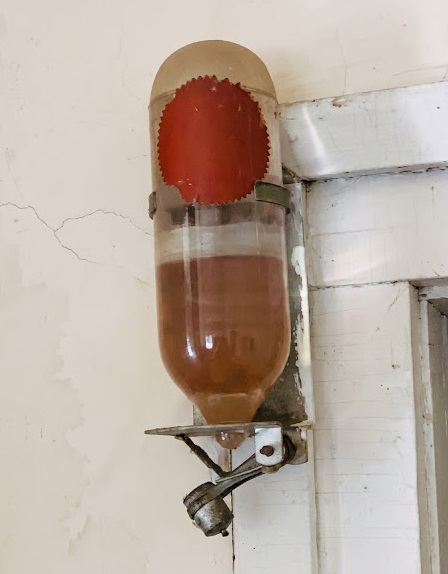
At first glance, this old-fashioned object looks like something that could have been displayed in a Victorian home or carefully preserved in an antique collection.
Its detailed craftsmanship and unusual design make it easy to mistake it for a decorative item. But objects from earlier generations often had practical purposes that aren’t immediately obvious today.
In this case, the design is associated with an emergency glass-breaking or escape tool—the type of device intended to provide another option for breaking glass in certain emergency situations.
It is a fascinating example of how older manufacturers sometimes combined useful functions with attractive craftsmanship.
A Practical Tool Hidden Behind an Elegant Design
Modern emergency equipment is usually designed to make its purpose obvious. Older tools could be quite different.
Some were made with carefully finished handles, metal components, or decorative details. Their appearance could make them look more like household objects than emergency equipment.
The important feature was not necessarily the decoration, however. It was the tool’s ability to provide a way to break glass when another exit was unavailable.
The exact design and intended use can vary considerably between antique examples, so identifying the manufacturer, markings, and construction can help determine what a particular object was originally designed to do.
Why Would an Emergency Tool Look Decorative?
One interesting aspect of older tools is the attention given to their appearance.
Today, many emergency devices are made primarily for visibility and quick recognition. Their bright colors, labels, and modern materials make their purpose immediately clear.
Older objects were often approached differently.
Manufacturers sometimes incorporated attractive materials and traditional craftsmanship into practical products. This could make an otherwise ordinary tool look more appropriate for a home, vehicle, workshop, or other setting.
That combination of function and craftsmanship is one reason these objects can be so interesting to collectors and history enthusiasts.
How Glass-Breaking Tools Were Intended to Work
The basic concept behind an emergency glass-breaking tool is relatively simple.
Certain tools are designed with a hardened point or striking component capable of concentrating force on glass. In an emergency, this can potentially provide an alternative means of creating an opening when a conventional exit cannot be used.
However, not every antique object that resembles a glass-breaking tool necessarily served that purpose.
Some older items have similar shapes but were designed for completely different jobs. That’s why photographs, markings, construction details, and historical information are important when identifying an unfamiliar antique.
A Glimpse Into Earlier Safety Practices
Antique emergency equipment can also tell us something about how people approached safety in earlier decades.
Vehicles, buildings, and household equipment have changed considerably over time. Modern safety systems now include technologies that were unavailable to previous generations.
Yet the underlying idea remains familiar: people have long looked for practical ways to deal with unusual or dangerous situations.
An object designed to provide an alternative means of escape is therefore more than just an interesting antique. It can also represent the practical thinking of the period in which it was produced.
How to Identify an Antique Emergency Tool
If you discover an unusual object at an estate sale, flea market, or inside an old family collection, don’t rely on appearance alone.
Look for:
Manufacturer names or logos
Engraved numbers or letters
Patent information
Materials used in its construction
Distinctive handles or fittings
Original packaging or labels
Similar examples in historical catalogs
These details can help establish the object’s age, manufacturer, and original purpose.
If you’re considering buying or selling an unusual antique, professional appraisal or consultation with a specialist can also be useful.
Why Antique Tools Are So Interesting
There is something special about discovering that an ordinary-looking object once served an important practical function.
Antiques provide small glimpses into everyday life. They show us the materials people used, the problems they encountered, and the ways manufacturers tried to solve those problems.
An emergency tool may not look particularly remarkable at first. But once its purpose becomes clear, the object becomes much more interesting.
It represents a time when products were often built to be durable, useful, and carefully crafted.
Function and Beauty in One Object
Perhaps the most appealing thing about this type of antique is the combination of practicality and craftsmanship.
The object wasn’t necessarily created simply to look beautiful. Its design had a purpose, while the materials and workmanship could still give it an attractive appearance.
That philosophy can be found throughout antique tools and household equipment.
Many older objects were built with the expectation that they would be used for years rather than quickly replaced. Their durability and craftsmanship are part of what makes surviving examples valuable to collectors today.
Would You Have Recognized It?
If you came across one of these unusual objects without any explanation, would you immediately know what it was?
Probably not.
That’s one of the enjoyable parts of learning about antiques. An object that appears decorative can turn out to have a completely different history.
The next time you see an unfamiliar item in an old workshop, farmhouse, garage, or antique collection, take a closer look. A manufacturer’s mark or small design detail may reveal much more about its original purpose.
The Story Behind the Object Matters
Antiques aren’t valuable only because they are old.
Their history, craftsmanship, rarity, condition, and original purpose can all contribute to their appeal.
An unusual emergency tool is particularly interesting because it demonstrates how people once approached practical problems with the materials and technology available to them.
What initially looks like a decorative antique may therefore be a small piece of everyday history.
And sometimes, discovering what an old object was actually designed to do is far more interesting than its appearance suggests.
Final Thought
The next time you encounter a beautifully crafted antique with an unusual shape, don’t assume it’s merely decorative.
Look for the clues.
The materials, markings, construction, and historical context may reveal a practical purpose that isn’t obvious at first glance.
That is part of what makes antique collecting so fascinating: every object has a story, and sometimes the most interesting part is discovering what it was originally made to do.