
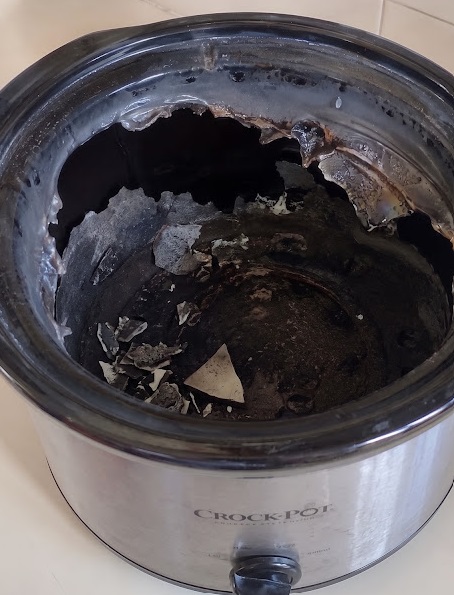
11 Foods You Should Never Add to a Slow Cooker Too Early
Slow cookers make home cooking so much easier. You can prepare your ingredients in the morning, let everything cook slowly, and come back to a warm, comforting dinner. For busy families, that kind of convenience is hard to beat.
But after years of making soups, stews, and family dinners, one thing becomes clear: not every ingredient needs hours in the slow cooker. Some foods turn mushy, others lose their fresh flavor, and a few require special attention to cook safely.
The good news is that you don’t have to avoid these ingredients altogether. In most cases, adding them at the right time is all it takes to get a better result.
Here are 11 foods to think twice about adding to your slow cooker too early, along with simple tips for making your favorite slow cooker meals taste their best.
Why Timing Matters in Slow Cooking
Slow cookers are excellent for tough cuts of meat, hearty soups, stews, and dishes that benefit from gentle, extended cooking. However, delicate ingredients may not hold up well over several hours.
Depending on the recipe, long cooking can cause dairy to separate, pasta to become mushy, seafood to overcook, and tender vegetables to lose their texture.
Understanding when to add each ingredient helps you enjoy the convenience of slow cooking without sacrificing flavor or quality.
1. Dairy Products
Milk, heavy cream, sour cream, and cream cheese can sometimes separate or develop a grainy texture when cooked for long periods. This is especially noticeable in creamy sauces and soups.
What to do instead: Add dairy near the end of cooking when the recipe allows. Cream cheese and sour cream can often be stirred in during the final 15–30 minutes. The exact timing depends on the recipe and your slow cooker.
For delicate cream-based sauces, you may get better results by preparing the sauce separately and stirring it into the finished dish.
2. Pasta
Pasta can become soft and swollen when left in a slow cooker for several hours. It also absorbs liquid as it cooks, which can make a soup or sauce thicker than expected.
What to do instead: Cook pasta separately and add it shortly before serving. If you’re following a slow-cooker pasta recipe, use the recommended pasta type, liquid measurements, and cooking time.
This simple adjustment helps keep noodles tender instead of mushy.
3. Fresh Seafood
Shrimp, scallops, and delicate fish cook much faster than beef or pork. Adding them at the beginning of a long cooking cycle can leave them rubbery, dry, or falling apart.
What to do instead: Add seafood near the end, allowing enough time for it to cook through safely. Shrimp usually needs only a short cooking period, while the timing for fish depends on its thickness and the recipe.
For especially delicate seafood, cooking it separately may be the easiest way to get the texture you want.
4. Fresh Herbs
Fresh basil, parsley, cilantro, dill, and chives bring a bright, fresh flavor to many dishes. However, their delicate aromas can fade during prolonged cooking.
Hardier herbs, such as rosemary and thyme, generally tolerate longer cooking better.
What to do instead: Add delicate fresh herbs just before serving. You can use suitable dried or hardier herbs earlier in the cooking process, then finish the dish with fresh parsley or cilantro for extra flavor and color.
5. Rice
Rice can be tricky in a slow cooker because different varieties absorb liquid and cook at different rates. Some types may become gummy or overcooked during a long cooking cycle.
Rice can also change the consistency of a dish by absorbing more liquid than expected.
What to do instead: For most slow-cooker soups, stews, and meat dishes, cooking rice separately is a reliable option. Add the cooked rice just before serving.
If your recipe specifically calls for uncooked rice, follow its instructions carefully rather than substituting another variety without adjusting the timing.
6. Delicate Vegetables
Zucchini, asparagus, peas, and other tender vegetables can lose their texture when cooked for hours. They may become soft, watery, or difficult to distinguish from the rest of the dish.
Carrots and potatoes, on the other hand, are generally better suited to longer cooking.
What to do instead: Add tender vegetables during the final stage of cooking. Frozen peas often need only a few minutes to heat through, while spinach wilts quickly once added.
This helps vegetables retain more of their color and texture.
7. Bacon
Bacon adds wonderful smoky, savory flavor to soups, casseroles, and slow-cooker potatoes. However, raw bacon cooked in a moist, covered environment won’t develop the same crisp texture as bacon cooked in a skillet.
It may turn soft and chewy instead of golden and crunchy.
What to do instead: Cook bacon separately until crisp, then crumble it over the finished dish. If the recipe uses bacon as part of its flavor base, browning it first can also add a richer taste.
8. Large Pieces of Frozen Meat
Slow cookers heat gradually, so large pieces of frozen meat may take too long to reach a safe cooking temperature. During that time, bacteria can multiply.
This is an important food-safety concern, even when the meat will eventually cook for several hours.
What to do instead: Thaw meat safely in the refrigerator before placing it in the slow cooker. Follow your appliance manufacturer’s instructions and use a reliable recipe with appropriate cooking times.
Convenience should never come at the expense of food safety.
9. Large Amounts of Wine or Other Alcohol
Wine can add depth to slow-cooked beef, sauces, and stews. However, adding too much can make a dish taste overly acidic or harsh.
Because slow cookers are covered, less liquid evaporates than in many uncovered stovetop preparations. The final flavor can therefore be different from what you might expect.
What to do instead: Follow the recipe’s recommended amount. If you want a more concentrated wine flavor, consider reducing the wine separately before adding it, when appropriate for the dish.
A little can enhance a recipe, but too much may overpower the other ingredients.
10. Quick-Cooking Leafy Greens
Spinach, arugula, and other tender greens don’t need hours of cooking. Prolonged heat can make them very soft and dull their fresh flavor.
Heartier greens, including kale and collard greens, can tolerate longer cooking, depending on the recipe.
What to do instead: Stir tender greens into the slow cooker near the end, allowing just enough time for them to wilt. This works especially well in soups, bean dishes, and creamy chicken recipes.
11. Ingredients That Benefit From Browning
Meat and vegetables can cook in a slow cooker without being browned first. However, if you want a deeper, roasted flavor, skipping this step may leave the finished dish less rich.
Browning creates additional flavor through the Maillard reaction, which develops differently in the moist environment of a slow cooker.
What to do instead: Brown beef, sausage, or suitable vegetables in a skillet before adding them to the slow cooker. Although this adds a few minutes of preparation, it can make a noticeable difference in flavor and color.
You don’t need to brown everything for every recipe, but it’s a useful step when richer flavor is the goal.
Foods That Work Especially Well in a Slow Cooker
Slow cookers are still wonderful kitchen tools. They’re particularly useful for ingredients and dishes that benefit from extended, gentle cooking.
Some good options include:
- Beef chuck roast and other suitable braising cuts
- Pork shoulder
- Chicken thighs
- Carrots and potatoes
- Lentils
- Soups and stews
- Chili
- Pulled pork
- Braised meat dishes
Dried beans require special attention: follow safe preparation instructions for the specific variety. For example, dried kidney beans must be boiled properly before slow cooking; a slow cooker alone may not reach the temperature needed to destroy their natural toxins.
5 Simple Tips for Better Slow Cooker Meals
1. Avoid Overfilling the Pot
Follow the fill-level guidance in your slow cooker’s manual. Overfilling can interfere with proper heating and cooking.
2. Keep the Lid Closed
Every time you lift the lid, heat escapes and cooking may take longer. Open it only when necessary or when the recipe instructs you to add ingredients.
3. Layer Ingredients Thoughtfully
Dense vegetables, such as potatoes and carrots, are often placed near the bottom. Arrange the remaining ingredients according to the recipe rather than assuming every dish uses the same order.
4. Follow a Recipe Designed for Slow Cooking
Stovetop and oven recipes may require different liquid amounts and cooking times when adapted for a slow cooker. A tested slow-cooker recipe is usually the better starting point.
5. Add Delicate Ingredients at the Right Time
Cream, fresh herbs, seafood, pasta, rice, and tender vegetables often need less cooking time than the main ingredients. Add them later whenever the recipe calls for it.
When Should You Add These Ingredients?
Use this quick guide as a starting point. Always follow the timing in your specific recipe.
- Sour cream and cream cheese: Near the end of cooking.
- Fresh parsley and cilantro: Just before serving.
- Spinach and tender greens: During the final few minutes.
- Frozen peas: Near the end, until heated through.
- Shrimp and delicate fish: Near the end, until safely cooked.
- Cooked pasta and rice: Shortly before serving.
- Crispy bacon: As a topping just before serving.
Frequently Asked Questions
Can I put raw meat in a slow cooker?
Yes. Slow cookers are designed to cook raw meat when used according to the manufacturer’s instructions and a reliable recipe. Thaw frozen meat safely before adding it, and make sure the finished dish reaches a safe internal temperature.
Can I put frozen vegetables in a slow cooker?
Many frozen vegetables can be used successfully. However, tender vegetables may become mushy if cooked for several hours. Add them closer to the end when you want to preserve their texture.
Can I put cream in a slow cooker?
Yes. Cream can work well in many slow-cooker recipes, but prolonged cooking may cause it to separate. Adding it near the end often helps produce a smoother sauce.
Why does my slow-cooker meal turn out watery?
Slow cookers retain more moisture than many uncovered cooking methods. Too much liquid can leave soups and sauces thinner than expected. Follow the recipe’s measurements, and avoid adding extra liquid unless needed.
Do I always need to brown meat first?
No. Browning is usually optional, but it can add deeper flavor and improve the appearance of the finished dish.
Can pasta cook directly in a slow cooker?
Yes, when the recipe is designed for it. However, pasta left cooking for several hours may become mushy. For better texture, add it near the end or cook it separately.
Is it safe to leave a slow cooker unattended?
Slow cookers are designed for extended cooking, but you should follow the manufacturer’s safety instructions, place the appliance on a stable, heat-resistant surface, and keep it away from anything that could be damaged by heat.
How to Store Slow Cooker Leftovers
Refrigerate leftovers promptly rather than leaving them at room temperature for an extended period. Divide large quantities into shallow containers to help them cool more quickly.
Keep leftovers in the refrigerator for 3–4 days, or freeze them for longer storage. Reheat leftovers thoroughly before serving.
Dishes containing rice, pasta, seafood, or dairy should also be cooled and stored promptly. Follow standard food-safety guidance, and discard food that has been left out too long.
Final Thoughts
A slow cooker can make homemade dinners easier, but the best results come from knowing which ingredients need hours of cooking and which are better added later.
Let tough cuts of meat, hearty vegetables, soups, and stews cook slowly. Save delicate seafood, tender greens, fresh herbs, and creamy ingredients for the appropriate stage of the recipe.
With a little attention to timing, you can enjoy the convenience of slow cooking while keeping your meals flavorful and satisfying.
What’s one ingredient you’ve learned to add near the end of slow cooking? Share your tip in the comments!
This article provides general cooking guidance. Always follow your slow cooker’s instructions and established food-safety recommendations.