
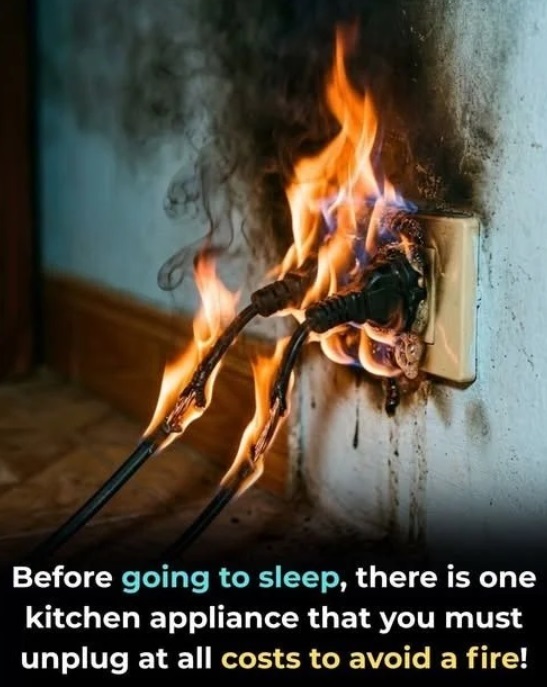
Electrical safety is an important part of every home. While modern kitchen appliances are designed with multiple safety features, damaged cords, worn-out components, and improper maintenance can sometimes increase the risk of electrical problems.
According to the National Fire Protection Association, cooking equipment and electrical failures remain among the leading causes of residential fires. Developing a few simple habits can help reduce unnecessary risks and improve household safety.
Why Some Appliances Deserve Extra Attention
Appliances that generate heat naturally operate at higher temperatures than other household devices. Over time, accumulated crumbs, grease, dust, or aging electrical components may affect performance.
This does not mean these appliances are unsafe. It simply means regular cleaning, proper maintenance, and unplugging when not in use can provide an extra layer of protection.
Appliances Commonly Recommended for Unplugging
Toasters and Toaster Ovens
Toasters contain heating elements that reach very high temperatures during operation.
For best safety practices:
- Remove crumbs regularly
- Keep away from paper towels and flammable materials
- Unplug after use when practical
Coffee Makers
Many coffee makers include warming plates that stay hot for extended periods.
Helpful habits include:
- Turning the unit off after brewing
- Cleaning the appliance regularly
- Checking cords for wear or damage
Electric Kettles
Electric kettles heat water quickly and efficiently.
To maintain safety:
- Avoid overfilling
- Inspect the power base regularly
- Disconnect after use if recommended by the manufacturer
Air Fryers
Air fryers have become extremely popular because of their convenience.
For safe use:
- Leave space around ventilation openings
- Clean grease buildup frequently
- Follow manufacturer instructions for operation and storage
Slow Cookers and Specialty Heating Appliances
Modern slow cookers are generally designed for extended cooking periods. However, older models may not include some newer safety features.
If your appliance is damaged, unusually hot, or very old, consider replacement or inspection.
Additional Kitchen Safety Tips
Check Power Cords
Replace appliances with:
- Frayed cords
- Cracked plugs
- Loose connections
- Avoid Overloaded Outlets
Using too many high-powered appliances on one outlet can increase electrical stress.
Install Working Smoke Alarms
Smoke alarms are one of the most effective home safety tools. Test them monthly and replace batteries as recommended.
Keep Appliances Clean
Grease, crumbs, and dust can affect appliance performance and create unnecessary hazards.
What Experts Recommend
Safety organizations generally recommend:
- Following manufacturer instructions
- Keeping appliances clean
- Replacing damaged equipment
- Unplugging small countertop appliances when not in use if practical
These simple habits can help reduce electrical risks while extending appliance life.
Final Thoughts
Most kitchen appliances operate safely every day without problems. Still, a few preventative habits can make a meaningful difference.
Taking a moment before bed to check your kitchen, turn off appliances, and ensure everything is in good condition is a small step that supports a safer home environment.