
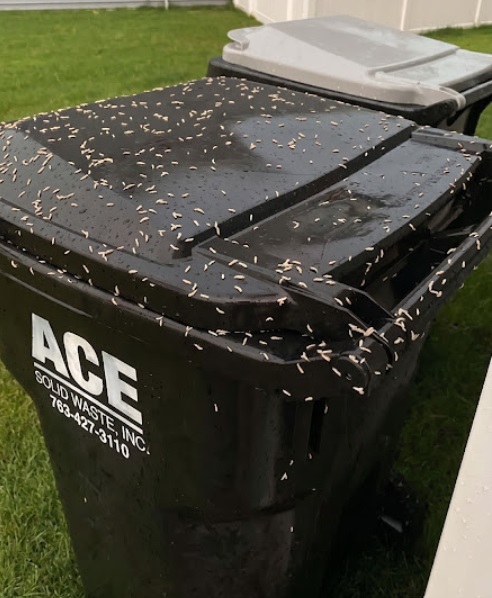
Tiny White Worms in Your Trash? They’re Probably Maggots
Opening the trash can and finding dozens of tiny white creatures wriggling around is enough to make anyone want to close the lid and walk away. But if they are small, pale, legless, and moving through food waste, they are most likely maggots—the larval stage of flies.
It may look like they appeared overnight, but flies can lay eggs on food scraps and other organic waste, and warm conditions can make those eggs hatch surprisingly quickly.
The good news is that the problem is usually simple to deal with: remove the waste, clean the bin, and make it harder for flies to reach your garbage.
Why Are Maggots in the Trash?
Flies are attracted to decomposing organic material. A garbage can can provide everything they need: food, moisture, warmth, and shelter.
Common attractants include:
Meat and fish scraps
Fruit and vegetable waste
Leftover food
Pet food or waste
Greasy food residue
Leaking garbage bags
Even if you remove the garbage bag, liquid or food residue may remain on the bottom or sides of the bin and continue attracting flies.
What to Do When You Find Maggots
1. Remove the Garbage
Tie the garbage bag securely and take it outside. If the bag is leaking or damaged, place it inside a second sturdy bag before moving it.
2. Keep Kids and Pets Away
Keep children and pets away while you’re handling the waste. Wear household gloves if you need to clean contaminated surfaces.
3. Wash the Trash Can
After removing the bag, check the bottom, sides, lid, rim, and corners for leftover food or liquid.
Wash the bin thoroughly with an appropriate household cleaner or disinfectant according to its label directions.
Never mix bleach with ammonia or other cleaning products.
4. Let It Dry Completely
Allow the trash can to dry before putting in a new liner. A clean, dry container is much less attractive to flies.
How to Prevent Maggots From Coming Back
- Keep the lid closed: A secure lid helps keep flies away from food waste.
- Tie bags tightly: Especially when throwing away meat, fish, pet waste, or other strong-smelling material.
- Take food waste out regularly: Don’t let decomposing food sit around longer than necessary.
- Clean the bin: Leaks and residue can remain even after the bag is removed.
- Keep outdoor bins shaded: Lower temperatures can slow decomposition and reduce odors.
- Freeze especially smelly scraps: If appropriate for your household waste routine, freezing food scraps until collection day can reduce odors and prevent flies from reaching them.
What If Maggots Keep Appearing?
If you’ve cleaned the trash can and still keep finding maggots or large numbers of flies, look for another source.
Check:
Recycling or compost containers
Pet food and pet waste
Forgotten food
Fruit left on the counter
Outdoor garbage
Damp organic material
Areas underneath appliances
A persistent fly problem usually means there is still a food or breeding source somewhere nearby.
Frequently Asked Questions
Are all tiny white worms in garbage maggots?
Not necessarily, but pale, legless larvae found in food waste are very commonly fly maggots.
How do maggots get there?
Adult flies lay eggs on or near suitable organic material. The eggs hatch into larvae, which are the maggots you see.
Why do they appear so quickly?
Warm weather can speed up both decomposition and the development of fly eggs and larvae, making the problem seem sudden.
Will taking out the garbage solve the problem?
It removes the main source, but cleaning the actual bin is important too. Food residue left behind can continue attracting flies.
Can I prevent maggots completely?
You can’t guarantee you’ll never see them, but keeping garbage covered, removing food waste regularly, cleaning the bin, and limiting fly access can greatly reduce the chance.
The Bottom Line
Those tiny white creatures crawling through your garbage are most likely maggots, not worms.
They are simply part of the fly life cycle, usually encouraged by warm temperatures, moisture, and decomposing food.
The fix is simple:
Remove the waste, clean the bin, let it dry, and keep future food scraps tightly sealed.
It may be unpleasant to discover, but once you know what’s happening, it’s usually a straightforward household cleanup problem.