
Is a Fuzzy Caterpillar Dangerous? What to Know Before Touching One
You might spot a fuzzy caterpillar crawling across a leaf and think it looks like a tiny ball of fur. It may seem soft and harmless, but it’s best to admire it without touching it.
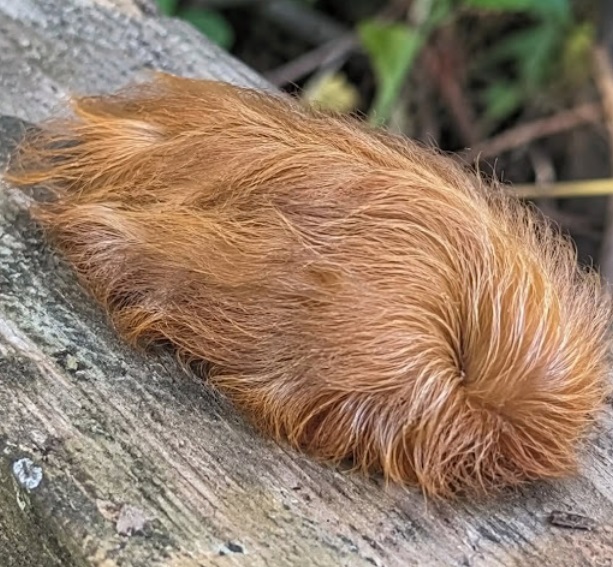
Some fuzzy caterpillars are harmless, while others have irritating hairs or venomous spines that can cause painful skin reactions. One well-known example is the puss caterpillar, the larval stage of the southern flannel moth (Megalopyge opercularis). Its fluffy appearance hides tiny venomous spines, making it a caterpillar you should never handle with bare hands.
If you’ve ever wondered whether a fuzzy caterpillar is dangerous, the safest approach is simple: look, take a picture, and keep your hands to yourself.
What Is a Puss Caterpillar?
The puss caterpillar is the larval form of the southern flannel moth. Its thick coat of silky-looking hairs can make it resemble a small tuft of fur. Depending on the individual, it may appear gray, tan, golden, or brown.
Hidden beneath those hairs are tiny spines that can penetrate the skin and deliver venom when the caterpillar is touched or pressed against the body.
Its soft appearance can be misleading. Never assume that a caterpillar is safe to handle just because it looks furry.
Why Does It Look So Fuzzy?
The caterpillar’s hairlike structures, called setae, give it its distinctive appearance. They also help it blend into surrounding vegetation, where it feeds and rests on trees and shrubs.
Unfortunately, that furry covering can make people curious enough to reach toward it. You might not even realize you’ve touched a puss caterpillar until the pain begins.
Are All Fuzzy Caterpillars Dangerous?
No. Many fuzzy caterpillars are harmless, while others have hairs or spines that can irritate the skin or cause more serious reactions.
Color and appearance alone aren’t always enough to identify a species reliably. If you find an unfamiliar caterpillar in your garden, avoid handling it and take a photograph from a safe distance instead.
How to Recognize a Puss Caterpillar
A puss caterpillar may have several recognizable features:
A short, thick, teardrop-shaped body
Dense, silky-looking hairs
Gray, tan, golden, or brown coloring
A furry appearance that conceals its body
A tapered or tufted outline
These caterpillars can be found on trees and shrubs, including elm, hackberry, maple, oak, and sycamore.
However, appearance alone isn’t enough to confirm identification. When in doubt, leave the caterpillar alone.
Why Does a Puss Caterpillar Sting Hurt?
The puss caterpillar’s tiny venomous spines can penetrate the skin when someone brushes against or handles it. The resulting reaction isn’t a typical bite; it happens through contact with the caterpillar’s defensive structures.
Possible symptoms include:
Sudden pain or burning
Redness and itching
Swelling or raised welts
Blistering or localized skin irritation
Some people may experience additional symptoms, such as headache or nausea. The severity varies, and pain from a puss caterpillar sting can last for hours, with swelling sometimes continuing for several days.
What Should You Do If You Touch One?
If you accidentally touch a puss caterpillar, avoid rubbing or scratching the affected area.
If tiny hairs or spines may be embedded in your skin, gently press adhesive tape onto the area and lift it away to help remove them.
Wash the affected skin with soap and water.
Monitor the area for worsening pain, swelling, or other symptoms.
Contact a medical professional or poison-control service if you’re uncertain about the exposure or your reaction.
Seek urgent medical attention for difficulty breathing or swallowing, significant swelling, faintness, or other severe symptoms.
If a child touches a suspected puss caterpillar, follow the same precautions and seek medical advice if symptoms are severe or concerning.
How to Keep Children and Pets Safe
A simple rule works well outdoors: look, don’t touch.
Teach children that fuzzy doesn’t automatically mean harmless.
Keep children and pets away from unfamiliar caterpillars.
Avoid brushing caterpillars away with bare hands.
Take photos from a safe distance instead of picking them up.
Don’t assume ordinary gardening gloves will protect you from every species.
If a caterpillar is resting on a plant in an out-of-the-way spot, leaving it alone is often the easiest solution. If it’s somewhere people might accidentally touch it, seek appropriate local pest or extension guidance rather than handling it yourself.
Frequently Asked Questions
Are puss caterpillars poisonous?
They are more accurately described as venomous because their defensive spines can deliver venom through contact with skin.
Can a puss caterpillar bite?
The painful reaction generally comes from contact with its venomous spines rather than a conventional bite.
Are all fuzzy caterpillars dangerous?
No. Some are harmless, while others can cause painful or irritating reactions. Avoid touching unfamiliar species.
What happens if you touch a puss caterpillar?
Contact may cause immediate burning or pain, followed by redness, itching, swelling, or welts. The severity varies from person to person.
Are woolly bear caterpillars the same as puss caterpillars?
No. They are different caterpillars with different appearances and defensive characteristics.
Should I remove a puss caterpillar from my yard?
Not necessarily. If it’s in a safe location, leaving it alone is usually the simplest choice. If it poses a potential contact risk, seek local guidance rather than trying to handle it directly.
A Quick Fuzzy Caterpillar Safety Checklist
Before reaching toward a fuzzy caterpillar, remember:
Don’t touch unfamiliar species.
Never assume a soft-looking coat means an insect is harmless.
Keep children and pets away from potentially stinging caterpillars.
Photograph the caterpillar instead of picking it up.
Avoid brushing it away with your bare hand.
If contact occurs, carefully remove suspected hairs or spines and wash the skin.
Seek medical help for severe or worsening symptoms.
Final Thoughts
Not every fuzzy caterpillar is dangerous, and there’s no need to fear every little creature you find in the garden. But the puss caterpillar is a good reminder that appearances can be deceiving.
That fluffy coat may look like something you’d want to touch, but its hidden defensive spines can cause a painful reaction.
So the next time you spot a furry little caterpillar crawling across a leaf, take a moment to admire it from a distance. Snap a photo, keep your hands away, and let it carry on with its day.
Sometimes the best way to enjoy backyard wildlife is simply to leave it undisturbed.