
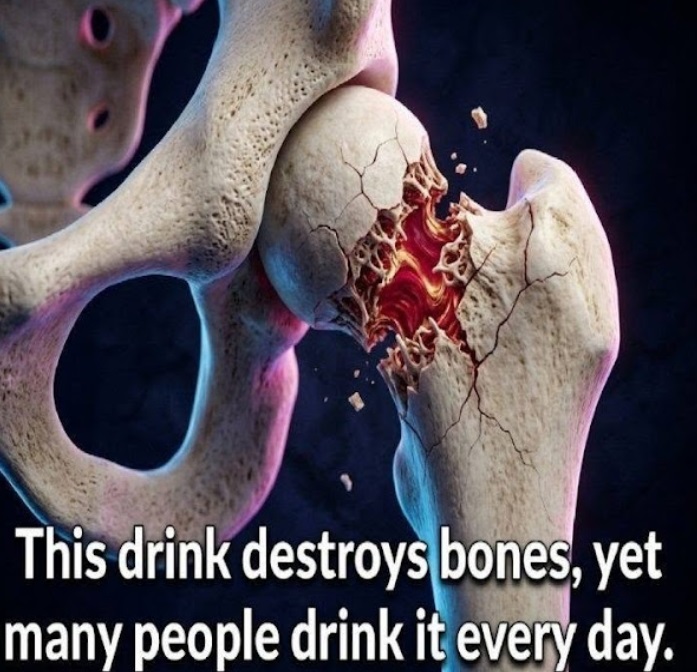
Subtitle: Bones support the body, protect organs, and play a role in blood cell production. Their strength depends on a delicate balance of calcium, vitamin D, and other minerals. However, certain beverages, when consumed regularly, disrupt this balance.
Let me tell you about the day I started paying attention to what I was drinking.
I was in my forties, sitting in my doctor’s office, reviewing my latest blood work. Everything looked good—except my bone density. It was starting to decline. My doctor asked about my diet, my exercise routine, and then, almost as an afterthought: “How much soda do you drink?”
I shrugged. “A couple of cans a day. Maybe three.”
She nodded slowly. “That’s probably part of the problem.”
I’d never thought about what my drinks were doing to my bones. I knew about calcium and vitamin D. I knew about weight-bearing exercise. But I had no idea that something as simple as a can of soda could be leaching minerals from my skeleton.
Now I know better. And I want to share what I’ve learned with you.
Here are the five drinks that are most harmful to your bones—and what you can drink instead.
1. Carbonated Drinks: The Calcium Attackers
Carbonated drinks top the list. Their high phosphoric acid content disrupts the body’s calcium balance. This chemical forces the body to draw on bone reserves to restore blood pH. Meanwhile, the sugar in these drinks exacerbates the problem. Regular consumption causes mild inflammation and gradual weakening of the skeleton.
Why they’re harmful:
The phosphoric acid in soda binds with calcium in the digestive tract, preventing absorption.
The body then draws calcium from the bones to maintain proper blood pH.
The sugar in soda promotes inflammation and calcium loss through urine.
Diet sodas contain artificial sweeteners that can also disrupt bone health.
What to drink instead: Water, herbal tea, or sparkling water with a splash of lemon or lime.
How much is too much: Even one to two cans a day can have a negative effect on bone health over time.
2. Alcohol: A Silent Thief
Alcohol consumption is linked to reduced bone density. Heavy drinking interferes with the body’s ability to absorb calcium and vitamin D. It also affects the production of hormones that protect bone health.
Why it’s harmful:
Alcohol inhibits calcium absorption and interferes with vitamin D metabolism.
It reduces the production of hormones that protect bone health, such as estrogen and testosterone.
Chronic alcohol use increases the risk of osteoporosis and fractures.
What to drink instead: Limit alcohol to moderate consumption—one drink per day for women, two for men.
How much is too much: Even moderate drinking can affect bone health over time.
3. Coffee and Caffeinated Drinks
While a moderate amount of coffee is fine for most people, excessive caffeine consumption can increase calcium loss through urine.
Why it’s harmful:
Caffeine increases calcium excretion in urine.
Heavy coffee drinkers may have lower bone density, especially if they don’t get enough calcium.
Coffee can interfere with calcium absorption if consumed with meals.
What to drink instead: Limit coffee to 1-2 cups per day. Drink it between meals, not with meals.
How much is too much: More than 2-3 cups per day can start to have a negative effect.
4. Energy Drinks: The Double Whammy
Energy drinks contain both high levels of caffeine and sugar—a combination that can be harmful to bone health.
Why they’re harmful:
They contain high levels of caffeine, which increases calcium loss through urine.
They’re often high in sugar, which promotes inflammation and calcium loss.
Some energy drinks contain added calcium-absorbing blockers.
What to drink instead: Water, herbal tea, or a healthy smoothie.
How much is too much: Even one energy drink per day can have negative effects over time.
5. Sugary Fruit Juices and Sweetened Beverages
Fruit juice may seem healthy, but many commercial fruit juices are high in sugar and low in nutrients that support bone health.
Why they’re harmful:
High sugar content promotes inflammation and calcium loss through urine.
Many fruit juices are stripped of fiber and nutrients during processing.
They provide empty calories and contribute to bone density loss over time.
What to drink instead: Whole fruit, unsweetened fruit juice (in moderation), or water with lemon.
How much is too much: More than one glass of sweetened juice per day.
How These Drinks Affect Your Bones
Bone health depends on a delicate balance. Our bodies are constantly breaking down and rebuilding bone tissue. When we consume calcium-rich foods, we support this process. When we consume calcium-depleting drinks, we disrupt it.
The science: Phosphoric acid in soda binds with calcium in the digestive tract, preventing absorption. Caffeine increases calcium excretion through urine. Sugar promotes inflammation, which can weaken bone structure. Alcohol interferes with hormone production and calcium absorption.
The effect over time: Consistent consumption of these drinks gradually reduces bone density. This happens slowly, often without symptoms until a fracture occurs.
Who’s most at risk: Everyone, but especially postmenopausal women (due to declining estrogen levels), older adults (due to natural bone loss), and people with sedentary lifestyles.
What to Drink Instead
Water: The best choice. Stay hydrated with plain water.
Milk: A good source of calcium and vitamin D. Choose low-fat or plant-based fortified options.
Herbal teas: Caffeine-free and rich in antioxidants. Good choices include chamomile, peppermint, and ginger.
Green tea: Contains antioxidants that may support bone health.
Orange juice (unsweetened): A good source of vitamin C and calcium (if fortified).
Smoothies: Blend fruits, vegetables, and yogurt or milk for a nutrient-dense drink.
Kefir: A fermented dairy drink high in calcium and probiotics.
Bone broth: Rich in minerals that support bone health.
Frequently Asked Questions
Is one can of soda a day really bad for your bones?
Yes, even one can a day can contribute to bone loss over time, especially if you’re not getting enough calcium.
What about diet soda?
Diet soda contains phosphoric acid and artificial sweeteners, which can also be harmful to bones.
Can coffee cause osteoporosis?
Excessive coffee consumption can increase calcium excretion, potentially leading to lower bone density over time.
Do energy drinks affect bone health?
Yes, energy drinks combine high caffeine and high sugar, both of which can harm bone health.
Is fruit juice bad for bones?
Only if it’s heavily processed and high in sugar. Unsweetened juice in moderation is fine.
What’s the best drink for bone health?
Water, milk, herbal tea, and green tea are all excellent choices.
A Final Thought
For years, I drank soda without thinking about my bones. I didn’t realize that every can was slowly leaching calcium from my skeleton. I didn’t realize that my morning coffee was contributing to calcium loss.
Now I do. And I’ve made changes. I drink more water. I’ve cut back on soda. I limit my coffee.
It’s not about perfection. It’s about awareness. It’s about making choices that support my health, not undermine it.
If you’re concerned about your bone health, start by paying attention to what you drink. Cut back on the worst offenders, add more calcium-rich beverages, and support your body’s natural ability to rebuild.
Your bones will thank you.
Have you ever considered how your drinks affect your bones? What changes have you made to protect your bone health? Share your tips and stories in the comments—I’d love to hear how you’re taking care of yourself.