
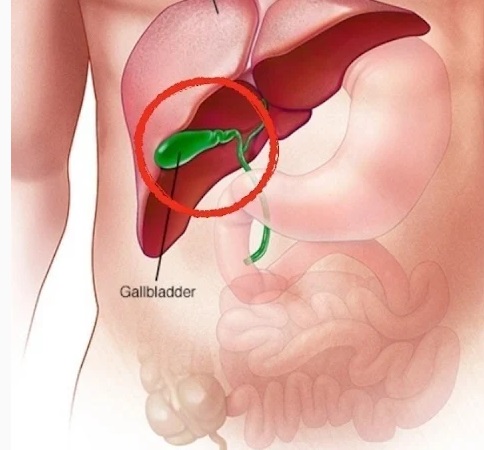
Gallbladder removal (cholecystectomy) is one of the most common surgical procedures worldwide and is generally considered safe and effective. For many people, surgery successfully relieves painful gallbladder symptoms and improves quality of life.
However, like any medical procedure, some individuals may experience digestive or metabolic changes after surgery. These effects vary widely from person to person, and many patients never experience significant long-term problems.
1. Post-Cholecystectomy Symptoms
Some people report ongoing digestive symptoms after gallbladder removal, including bloating, gas, abdominal discomfort, nausea, or changes in bowel habits. Healthcare professionals sometimes refer to these symptoms as post-cholecystectomy syndrome.
These symptoms can have various causes, including changes in bile flow, digestive sensitivity, or unrelated gastrointestinal conditions. Anyone experiencing persistent symptoms should consult a healthcare professional for proper evaluation.
2. Bile Acid Diarrhea
After gallbladder removal, bile flows more continuously into the digestive tract instead of being stored and released during meals.
For some individuals, this change may contribute to loose stools or diarrhea, particularly after eating fatty foods. Fortunately, effective treatments and dietary strategies are available, and symptoms can often be managed successfully with medical guidance.
3. Liver and Metabolic Health
Researchers have explored possible associations between gallbladder removal and certain metabolic conditions, including nonalcoholic fatty liver disease (NAFLD). While some studies have identified potential links, researchers continue to investigate the relationship, and current evidence does not prove that gallbladder removal directly causes fatty liver disease.
Many factors influence liver health, including diet, weight, physical activity, genetics, blood sugar levels, and overall lifestyle habits.
Important Health Note
Most people who undergo gallbladder removal recover well and continue to live healthy, active lives. Decisions about surgery should always be based on individual medical circumstances and discussions with qualified healthcare professionals.
If you have gallstones or gallbladder disease, do not delay medical care based on information found online. A healthcare provider can help determine the most appropriate treatment options for your specific situation.