
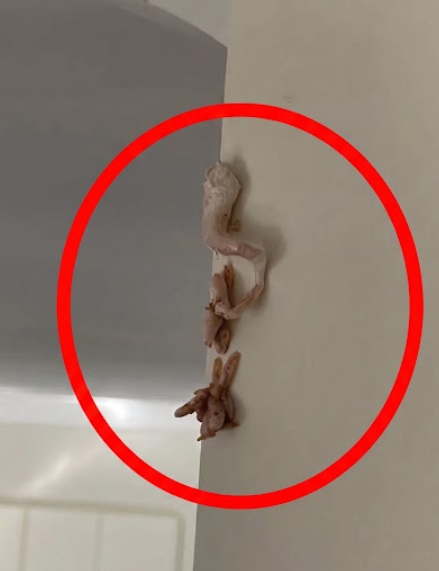
What Is This Strange Pink, Crunchy Thing Growing Out of My Wall?
Finding something strange sticking out of a wall can make you stop and take a second look. If it’s pink, oddly shaped, and feels hard or crunchy, it’s easy to wonder whether you’re looking at mold, a pest nest, or something that shouldn’t be inside your home.
Stories about unusual pink, foam-like objects appearing on walls have sparked plenty of speculation. But without a clear photograph, details about the material, and information about where it appeared, there’s no reliable way to identify the object with certainty.
The good news is that there are several ordinary explanations worth considering. Before you try to scrape it off or investigate inside the wall, take a closer look at its shape, texture, and surroundings.
Could It Be Expanding Foam?
One possibility is expanding construction foam.
These products are commonly used to fill gaps, seal openings, and help prevent drafts around windows, pipes, and other parts of a building. The foam expands after application and hardens as it cures.
If some material has pushed through a small opening, it may look as though something is growing out of the wall. Once hardened, construction foam can feel firm or brittle, depending on the product and its condition.
Look for clues such as:
Material protruding through a crack or small hole
A lightweight, foam-like structure
Nearby gaps around windows, pipes, or repairs
Other signs of previous construction or maintenance work
These clues may make construction foam worth investigating, but they aren’t enough to confirm the identification.
Could It Be Mold or Other Moisture-Related Growth?
Pink material on a wall doesn’t automatically mean mold.
Some microorganisms can produce pink or orange discoloration in damp environments. For example, Serratia marcescens is a bacterium sometimes associated with pink or orange buildup around wet bathroom surfaces.
However, color alone cannot identify a substance, and a hard, crunchy object isn’t enough to establish that microbial growth is present.
Pay attention to the surrounding wall. Water stains, peeling paint, bubbling wallpaper, damp patches, or a musty smell may indicate a moisture problem that needs investigation.
If you notice persistent dampness, focus on finding and addressing the source rather than simply removing the visible material.
Could an Insect or Other Pest Be Responsible?
Another possibility is pest-related material, but it’s important not to jump to that conclusion without supporting evidence.
Insects and other small animals can leave behind various types of debris or biological material. Some deposits may become harder as they dry, making them difficult to identify from appearance alone.
Look for additional clues, including:
Small holes in nearby wood or drywall
Fine piles of debris
Insect bodies or shed skins
Droppings
Repeated activity in the same area
Scratching or movement sounds inside the wall
If you notice several of these signs, a qualified pest professional can help determine whether an infestation is present.
Why Does It Look Like Something Is Growing Out of the Wall?
The location can make an ordinary substance look surprisingly unusual.
Homes contain hidden spaces around pipes, windows, electrical openings, and wall repairs. Materials can sometimes protrude through these gaps, while moisture or pests may also affect concealed areas.
That’s why the object’s point of attachment can be more informative than its color.
Notice whether the material appears to emerge from a hole, follow a crack, sit on top of the paint, or grow around a damp patch. These details can help guide a proper inspection without requiring you to disturb the object.
What Should You Do Before Touching It?
If you don’t recognize the material, avoid poking, crushing, scraping, or pulling at it until you have a better idea of what it might be.
Instead, take photographs from several angles and observe the surrounding area.
Ask yourself:
Is the object hard, soft, dry, or wet?
Does it look foamy, powdery, smooth, or fuzzy?
Is it emerging from a crack or attached to the surface?
Is there an unusual odor?
Is the wall damp or discolored?
Is the object near plumbing, a window, or a recent repair?
Avoid direct contact with unknown substances, especially if they appear moldy, chemically contaminated, or associated with damaged building materials.
What If You Suspect a Leak?
Check the surrounding area for signs of water damage, particularly if the object is near a bathroom, kitchen, window, roofline, HVAC system, or basement.
Warning signs include:
Water stains
Peeling or bubbling paint
Swollen drywall
Persistent dampness
Musty odors
Material that repeatedly returns after removal
If moisture is present, have the underlying cause investigated. Removing a visible deposit without addressing a leak or dampness may not solve the problem.
What If You Suspect Pests?
- Don’t assume that an unusual wall deposit means your home has an infestation. Look for other evidence before drawing conclusions.
- If you find insect activity, droppings, holes, or recurring debris nearby, photograph the signs and consider arranging a professional inspection.
- If the object is inside a wall cavity, avoid opening the wall yourself when you don’t know what materials or wiring may be behind it.
Why Online Mystery Photos Can Be Misleading
- Unusual objects often attract attention online because they look difficult to explain. Once people begin suggesting theories, one possibility can quickly be repeated as though it were a confirmed answer.
- But a photograph—or a written description—may not reveal the material’s composition, origin, or cause.
- A pink, crunchy object could have several explanations, and its color alone cannot distinguish construction material from biological or moisture-related deposits.
- The most useful evidence comes from the object’s physical characteristics, its location, and any surrounding signs of water damage, construction work, or pest activity.
Frequently Asked Questions
Is pink material on a wall always mold?
No. Pink coloration alone doesn’t identify the substance. It could have several causes, and further inspection may be needed.
Could it be expanding foam?
Yes, construction foam can expand through gaps and harden. However, a pink color and crunchy texture alone aren’t enough to confirm that this is what you’re seeing.
Does a crunchy texture mean it’s not mold?
Not necessarily. Texture alone cannot reliably identify an unknown substance. Consider the surrounding conditions and seek professional advice if needed.
Should I scrape the object off?
It’s better to photograph it first and avoid disturbing it until you have a clearer idea of what it is. If it’s associated with moisture, pests, or damaged building materials, investigate the underlying problem.
When should I call a professional?
Consider a building or pest professional if the object keeps returning, the wall shows signs of water damage, there are signs of pest activity, or the material cannot be identified safely.
Final Thoughts
A strange pink object protruding from a wall may look alarming, but its appearance doesn’t automatically mean you have a serious problem. Construction foam, dried deposits, moisture-related material, and pest-related debris are all possibilities worth considering.
The important thing is not to guess based on color alone. Take a few photographs, examine the surrounding area without disturbing the substance, and look for clues such as cracks, dampness, or signs of insects.
If the material remains unidentified or the wall shows signs of damage, a qualified professional can help determine what’s happening.
Sometimes the explanation is ordinary. The trick is gathering enough evidence to find out before reaching for a scraper.